
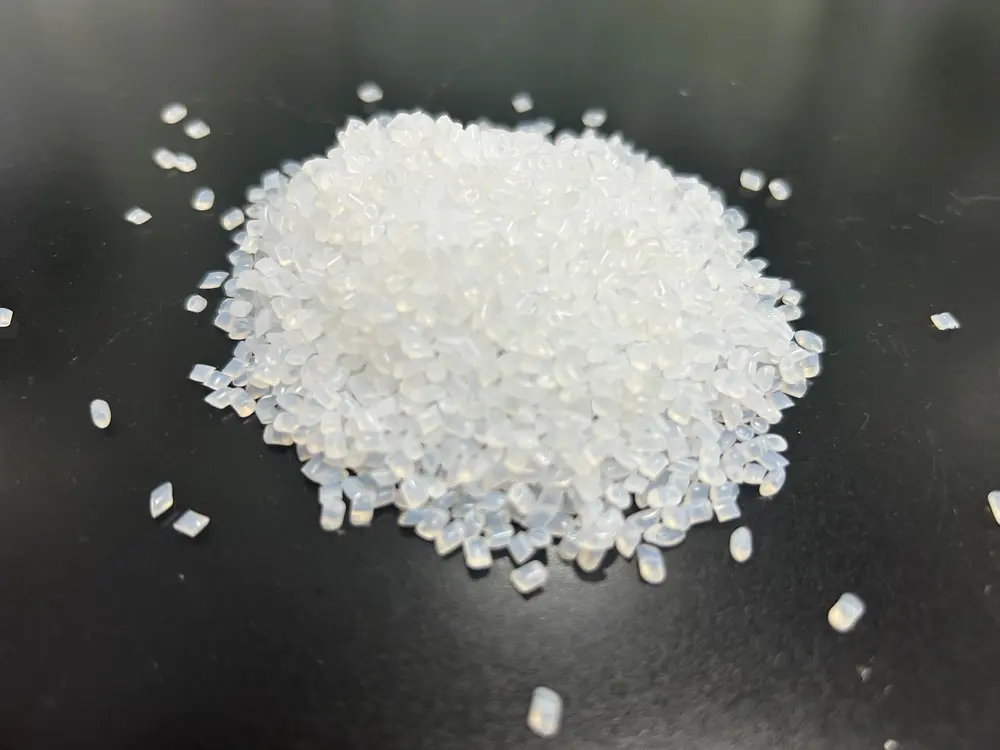
YH2800
Bright PA6 Chips
PA6 chips for selected fiber, extrusion and compounding applications, depending on the applicable grade.
STRANTOP
PA6 (Polyamide 6 / Nylon 6) chips for fiber, extrusion and engineering plastics compounding applications.

PA6 POLYMERIZATION BASE · HUNAN, CHINA
Hunan Yuehua New Material Co., Ltd. is the affiliated manufacturing base behind STRANTOP's PA6 chip portfolio. Its 300,000-metric-ton annual polymerization capacity supports stable, application-oriented supply for qualified fiber, extrusion and engineering plastics compounding projects.
The photographs below show three representative Yuehua chip grades. Final grade selection is confirmed against the customer's process, appearance and end-use requirements.
PA6 chips for selected fiber, extrusion and compounding applications, depending on the applicable grade.
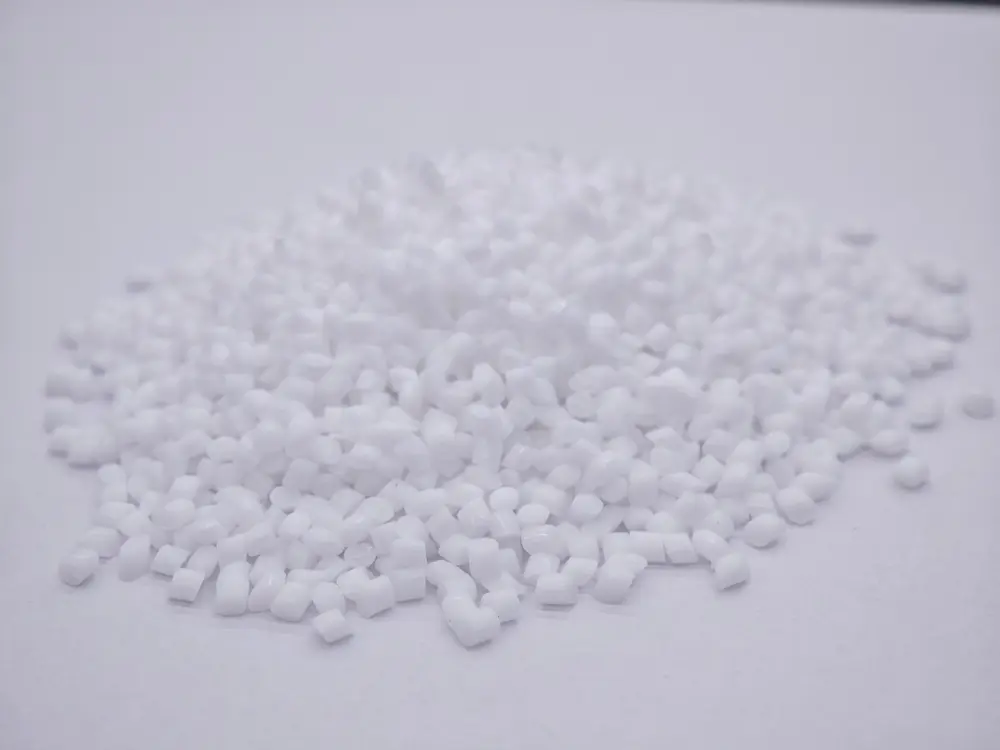
PA6 chips developed for selected textile and fiber applications requiring a semi-dull appearance.
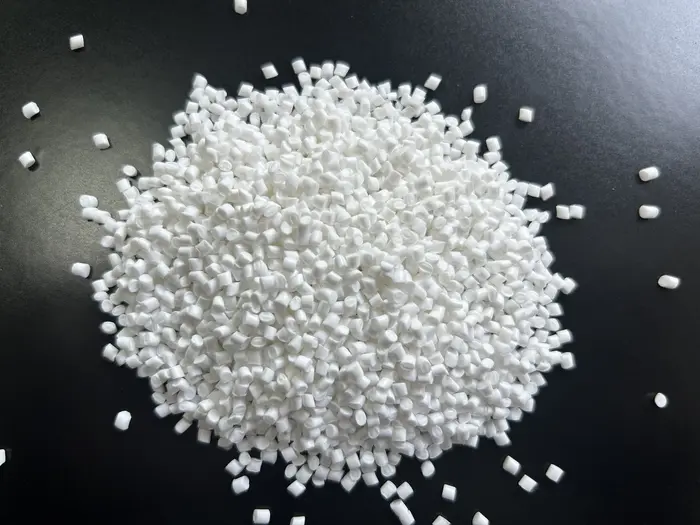
PA6 chips for selected textile and fiber applications requiring a full-dull appearance.
PA6 base materials for selected engineering plastics compounding applications.
Use these representative grades as a starting point. Final selection should be confirmed against the customer's process, appearance and technical requirements.
Selected fiber, extrusion and compounding projects; confirm process and target specifications.
Selected textile and fiber projects requiring a semi-dull appearance.
Selected textile and fiber projects requiring a full-dull appearance.
Send your current or reference grade, processing method, target relative viscosity or key specification, appearance requirement, estimated annual volume and destination market.
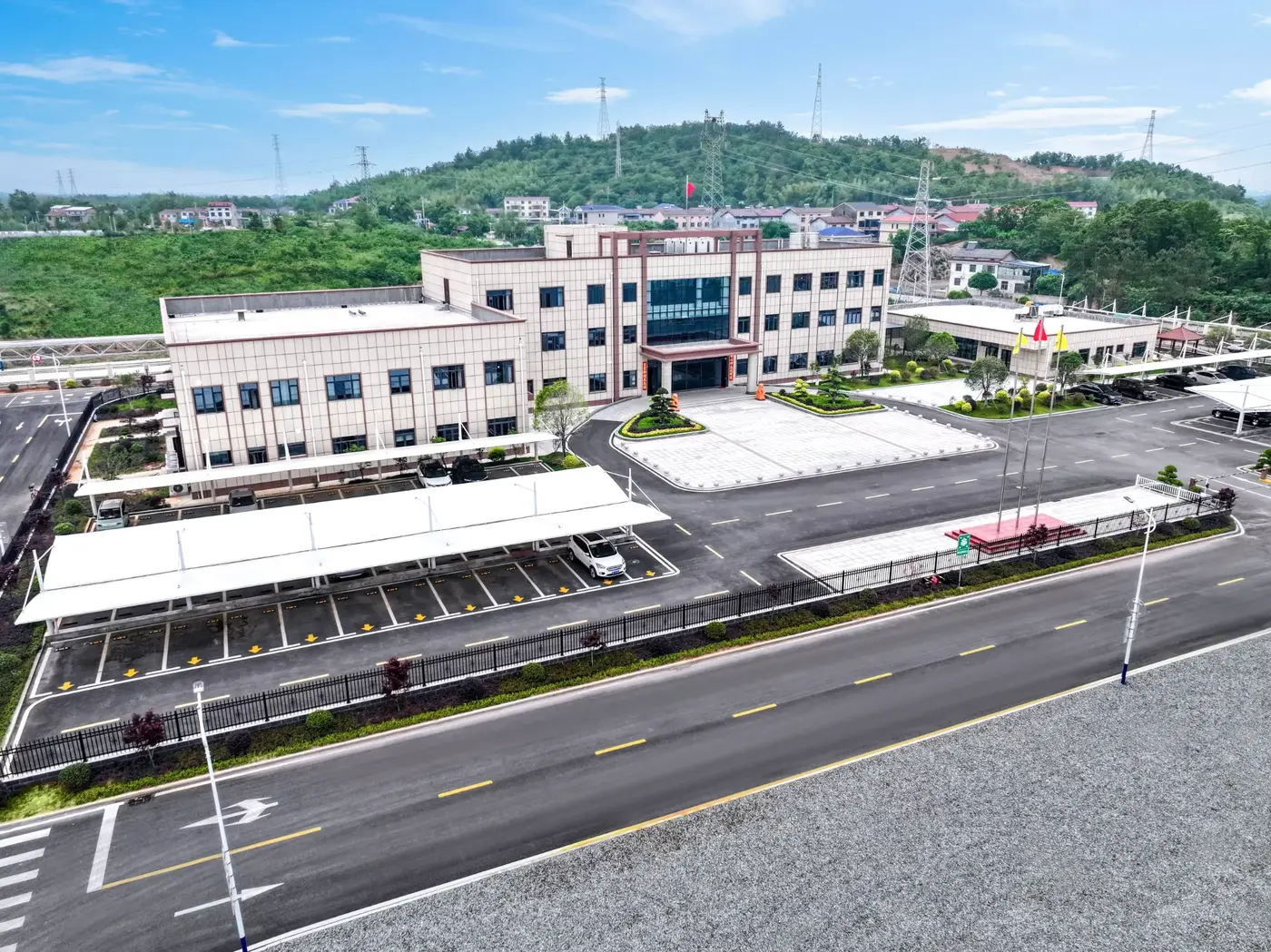
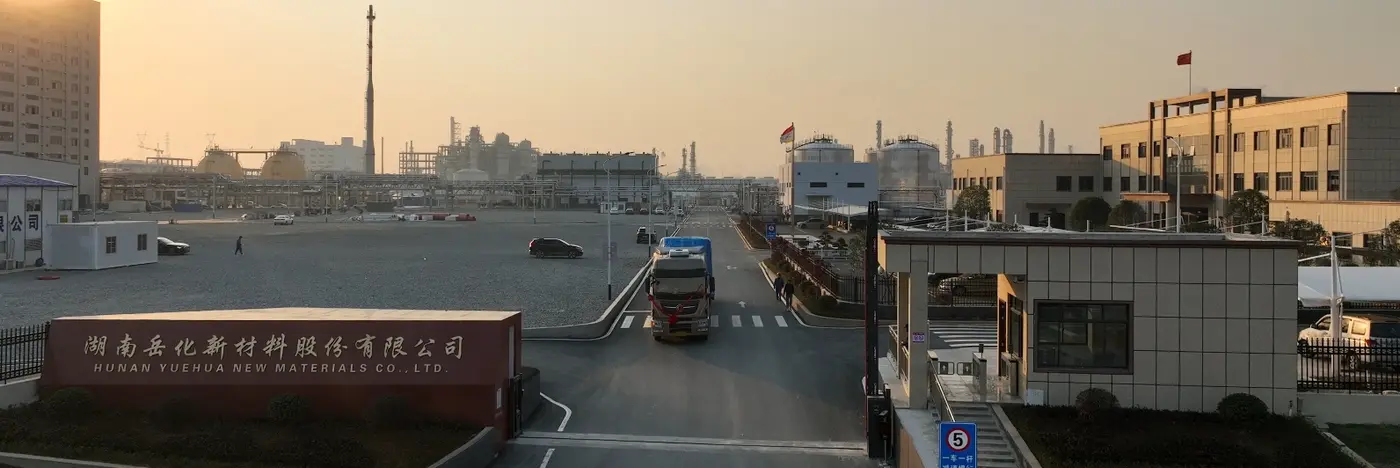
A modern polymerization campus, production infrastructure and supporting facilities provide the physical foundation for STRANTOP's PA6 supply platform.
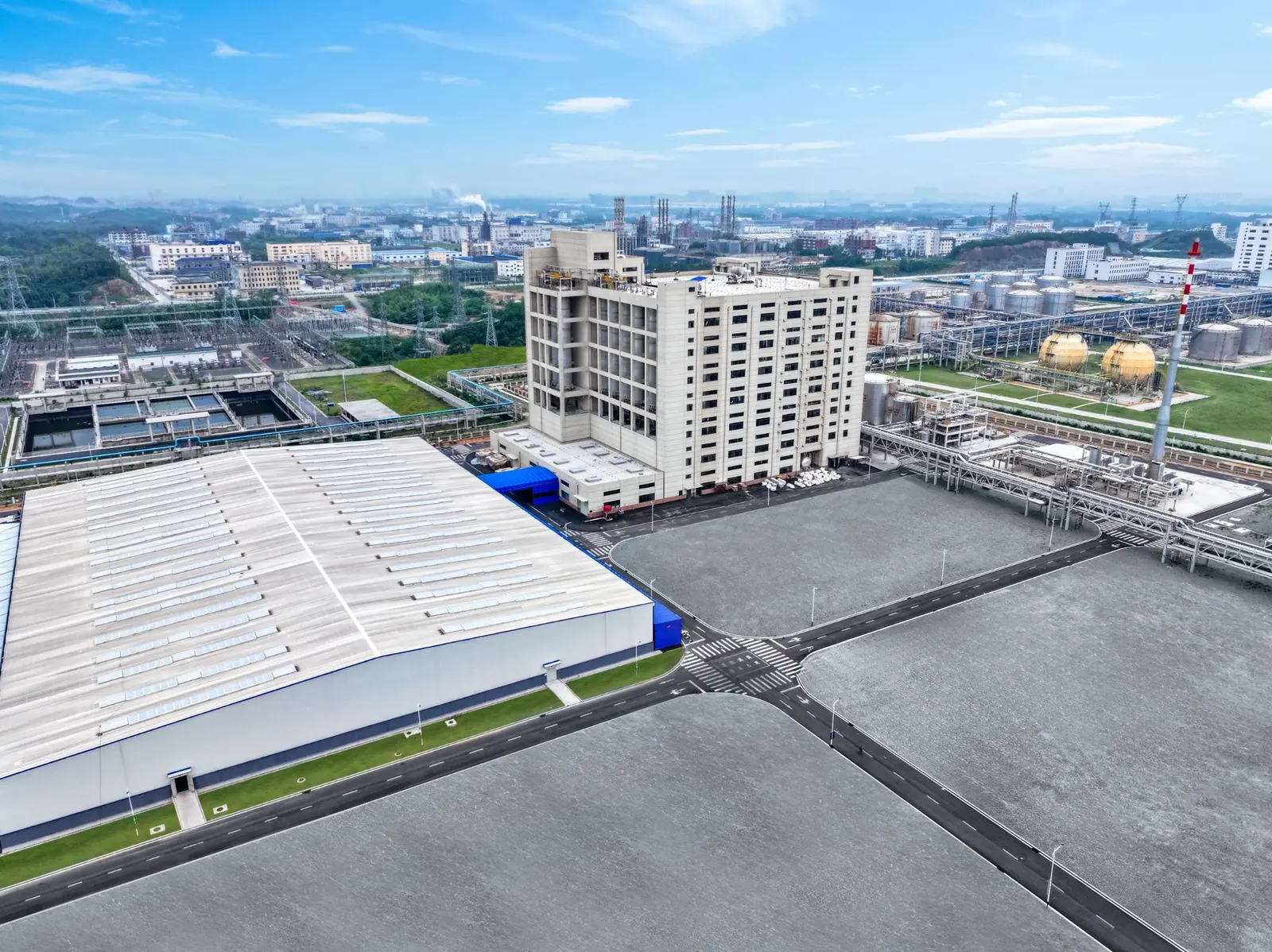


PA6 MANUFACTURING
See the production, automated packaging, finished-goods handling and shipment preparation behind our PA6 supply in Hunan.
For buyers evaluating a PA6 resin supplier or Nylon 6 chips supplier, STRANTOP combines an international commercial interface with direct coordination across affiliated PA6 polymerization and engineering-plastics manufacturing operations. The objective is not simply to quote a resin name, but to match the application, qualify the grade and coordinate a repeatable international supply plan.
Share the application, process, current supplier or reference grade, key specification, expected volume and destination market.
Review available bright, semi-dull, full-dull and other suitable PA6 options against the customer's technical requirements.
Compare technical documents, sample or trial material, processing behavior and the final-product tests that determine approval.
Confirm packaging, commercial quantity, production timing, shipment basis, export documents and delivery requirements for the approved grade.
Common terminology and product-selection questions for PA6 resin and chip applications.
Yes. PA6, sometimes written PA 6, is the abbreviation for Polyamide 6 and is commonly called Nylon 6. The terms describe the same polymer family, although individual grades can differ in viscosity, additives, appearance and intended application.
In commercial use, PA6 resin, PA6 chips and Nylon 6 chips can all refer to PA6 supplied in solid pellet or chip form. The important purchasing details are the grade, viscosity, additives, appearance, test methods and target processing application.
The current PA6 portfolio includes bright, semi-dull and full-dull materials, together with PA6 grades for selected extrusion and engineering plastics compounding applications. Final grade selection should be confirmed against the customer's processing and performance requirements.
Yes. Selected PA6 grades are intended for textile filament, industrial filament and other fiber applications. Grade selection depends on the spinning process, required appearance and the customer's technical specification.
These descriptions primarily distinguish appearance and delustering level. The applicable formulation and specification vary by grade, so customers should confirm the exact technical data and intended fiber or processing application before ordering.
No. STRANTOP does not currently offer a dedicated film-grade or BOPA PA6 product. We can discuss currently available PA6 grades for qualified fiber, extrusion and engineering-plastics compounding projects.
Yes. PA6 base materials can be used for selected engineering plastics compounding applications. STRANTOP also supports downstream modified PA6 compounds through affiliated engineering-plastics manufacturing capabilities.
Please provide the application, processing method, reference grade if available, target viscosity or key performance requirements, color or appearance requirements, expected volume and destination market. This helps the team identify the most appropriate material for evaluation.
Grade-specific specifications, technical documents and application recommendations are available upon request.
Request Grade Information